
Co-founder / engine
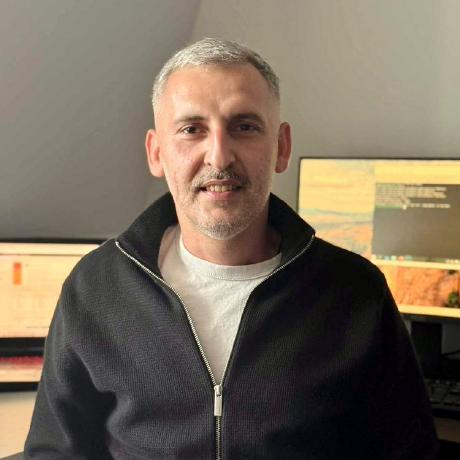
Loren Bufanu
Browser engine, Servo integration, compatibility, and evidence.
Our story
Galileo began with Servo and a different view of how the work could be done. We wanted to use AI to help a small European team take on more engineering without handing over the decisions, the testing, or the responsibility.

Servo → Galileo
Galileo did not begin from an empty repository. It began from browser work derived from Servo, with a clear understanding of what we inherited and what we would have to build ourselves.
 Starting pointServoIndependent workGalileo
The foundation
Servo supplies the Rust browser-engine foundation: rendering, layout, and a large body of web-platform work. Galileo inherits that work, keeps its origin visible, and adds the integration needed around it.
The boundary
Servo’s contribution policy says contributions must not include content generated by large language models or other probabilistic tools. The rule covers code, documentation, pull requests, issues, and comments. We respect that policy and do not present Galileo’s AI-assisted work as upstream Servo work.
Read Servo’s official AI policy ↗The decision
Rather than ask Servo to change its rules, we took responsibility for a separate project. Galileo is where we can test a different model: AI helps increase the amount of work a small team can attempt, while people remain accountable for architecture, review, verification, security, and every release decision.
The work now
Galileo Engine is the browser-engine and integration layer where compatibility, media, extensions, product plumbing, and their tests are developed. Galileo Browser is the desktop product being built on top of it. The code has moved quickly; readiness still has to be demonstrated.
Human responsibility
AI output is not treated as authority. The team chooses the direction, reviews the changes, reproduces failures, runs the tests, and decides what can be merged or released.
The next goal is a genuinely usable alpha. Compatibility, security, performance, packaging, and release readiness still have to be earned—and the Roadmap records that boundary.
The team
Each person has a primary workstream. What the project publishes remains a team responsibility.
Co-founder / engine
Browser engine, Servo integration, compatibility, and evidence.
Co-founder / product
Product engineering, browser chrome, quality, and delivery.

Co-founder / coordination
Development, contributor coordination, and the work between ideas and merge.
Contact
Use the shared address for general questions, press, or partnerships. For a reproducible website problem, open a focused issue so the answer can remain public.